von Office_IBC | Nov. 25, 2025 | Unkategorisiert
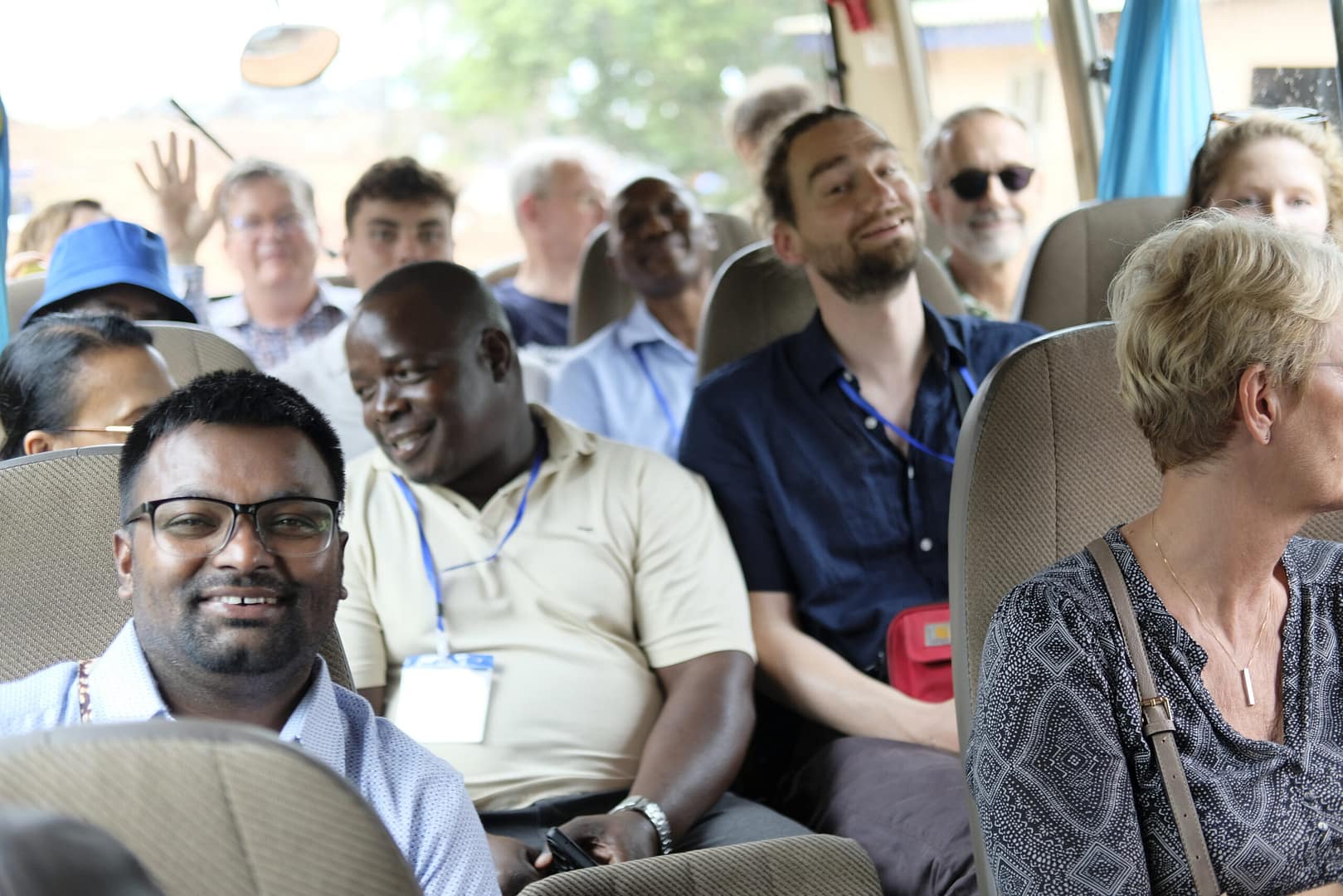
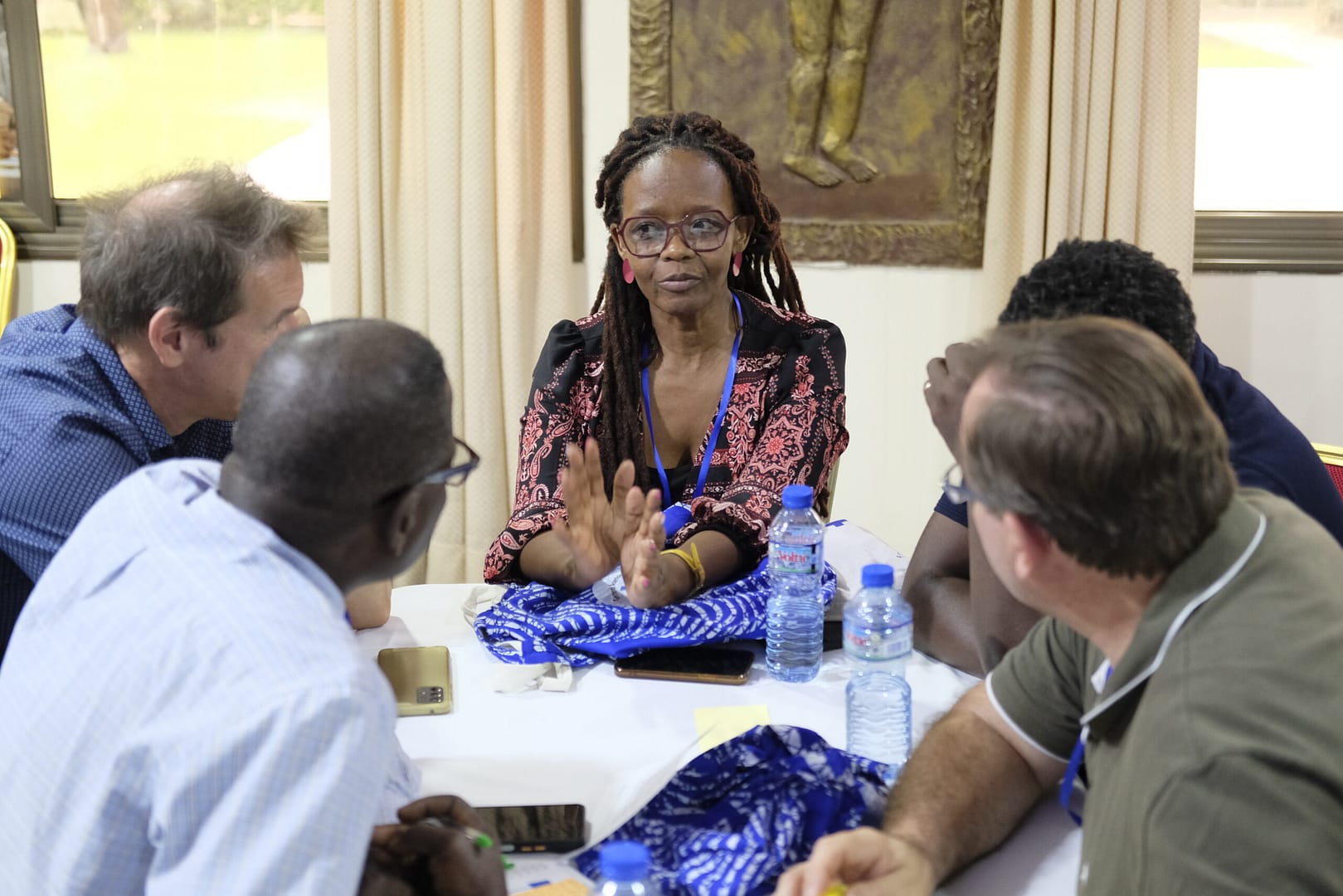
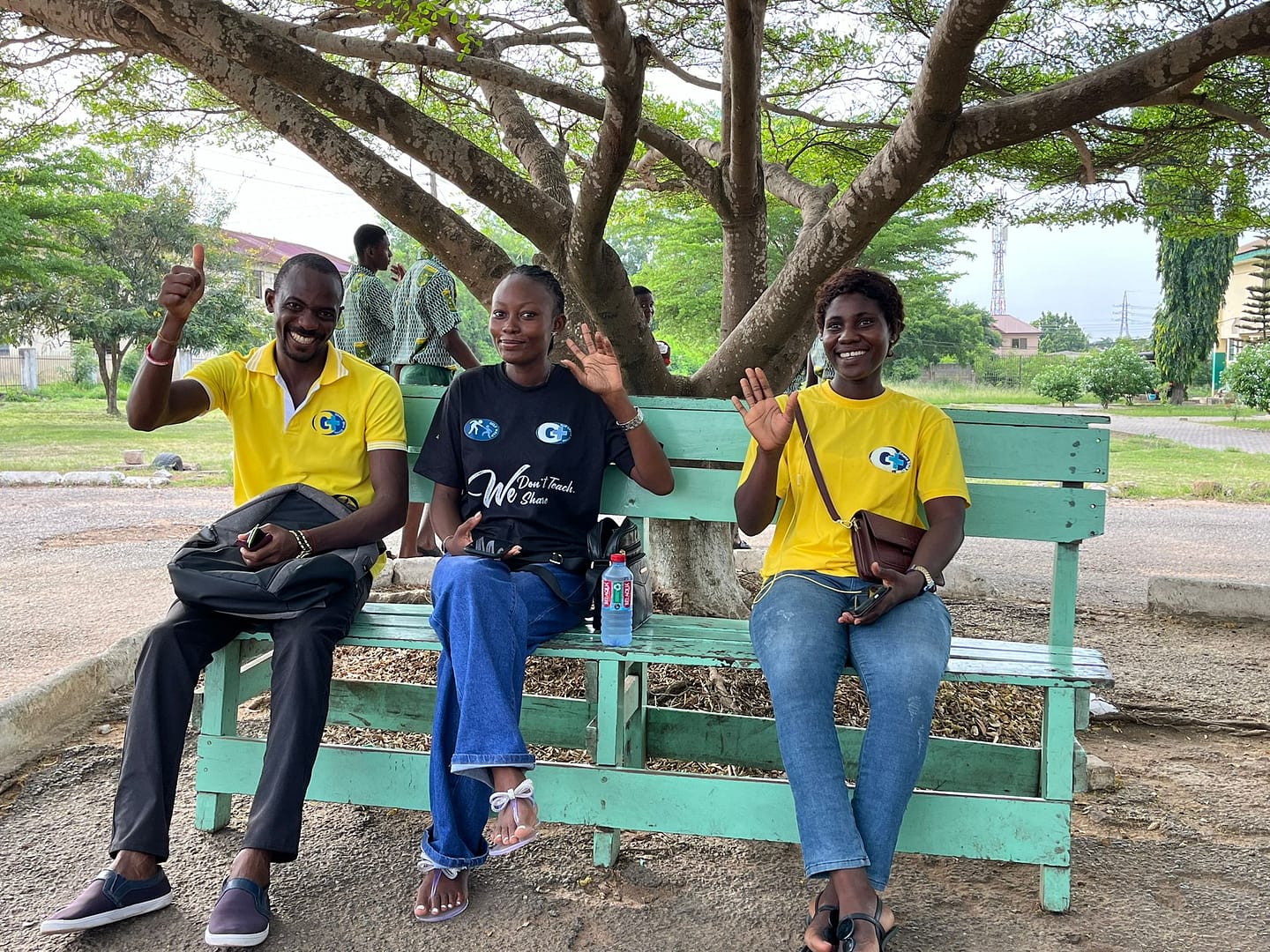
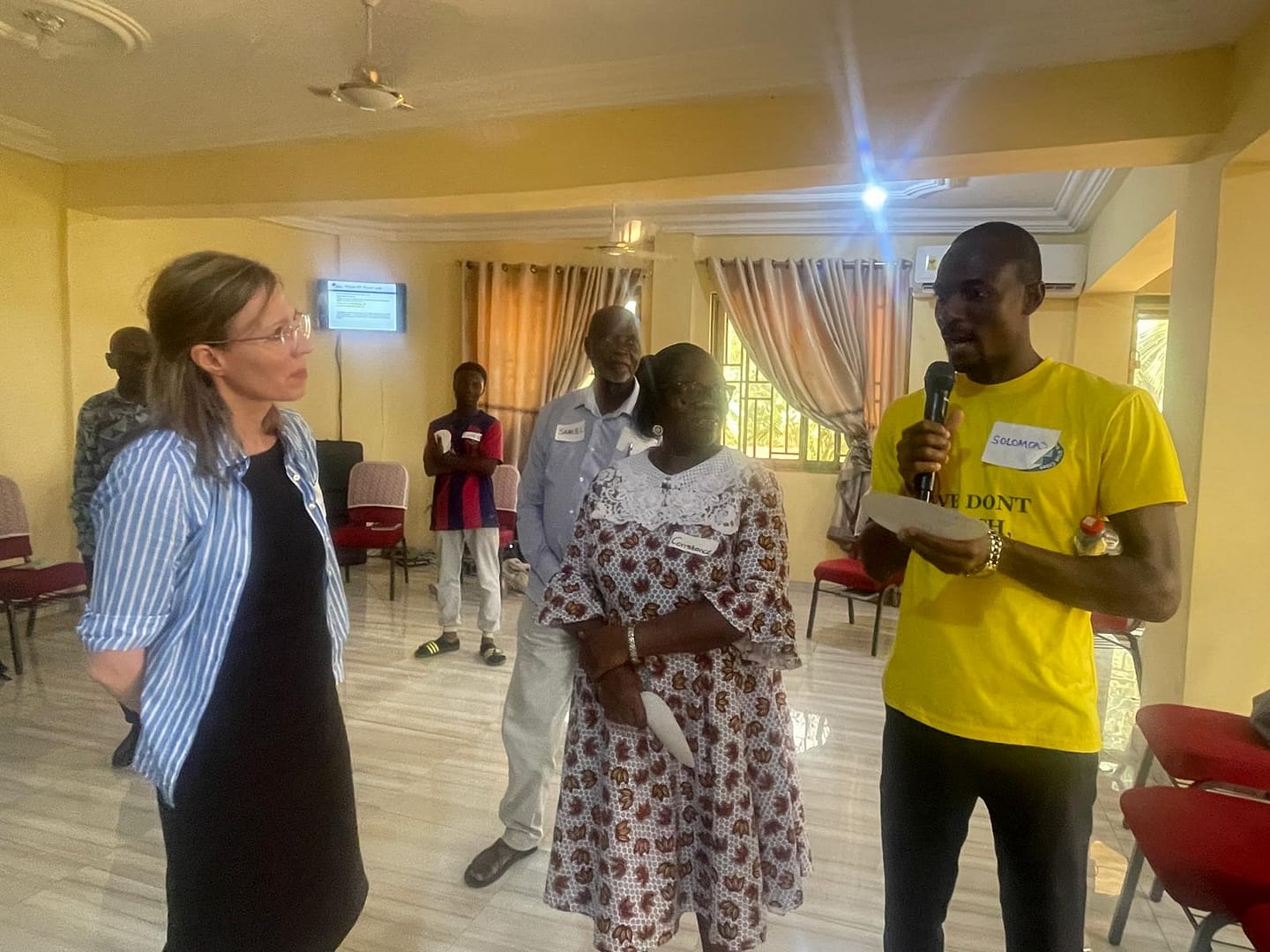
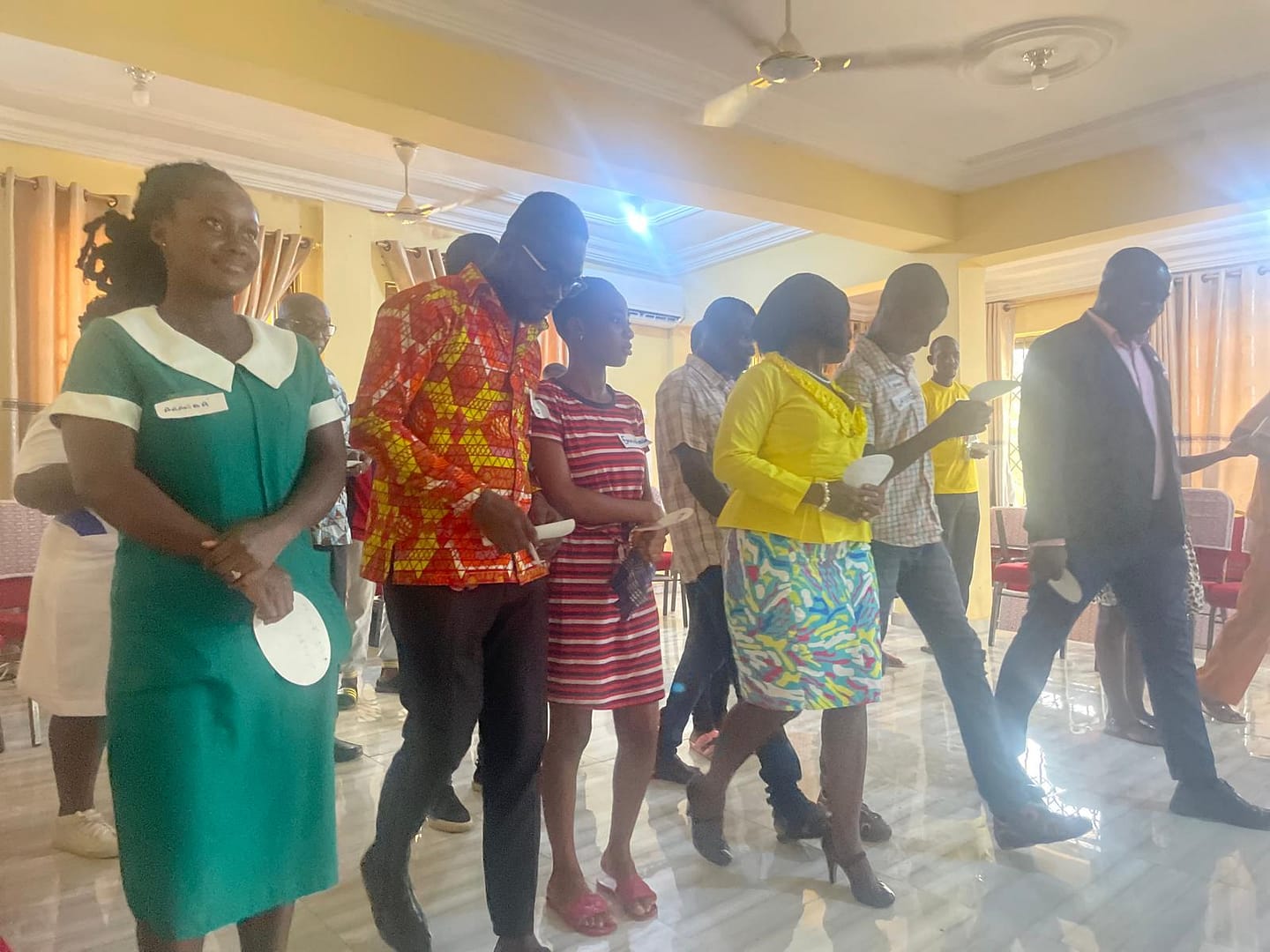
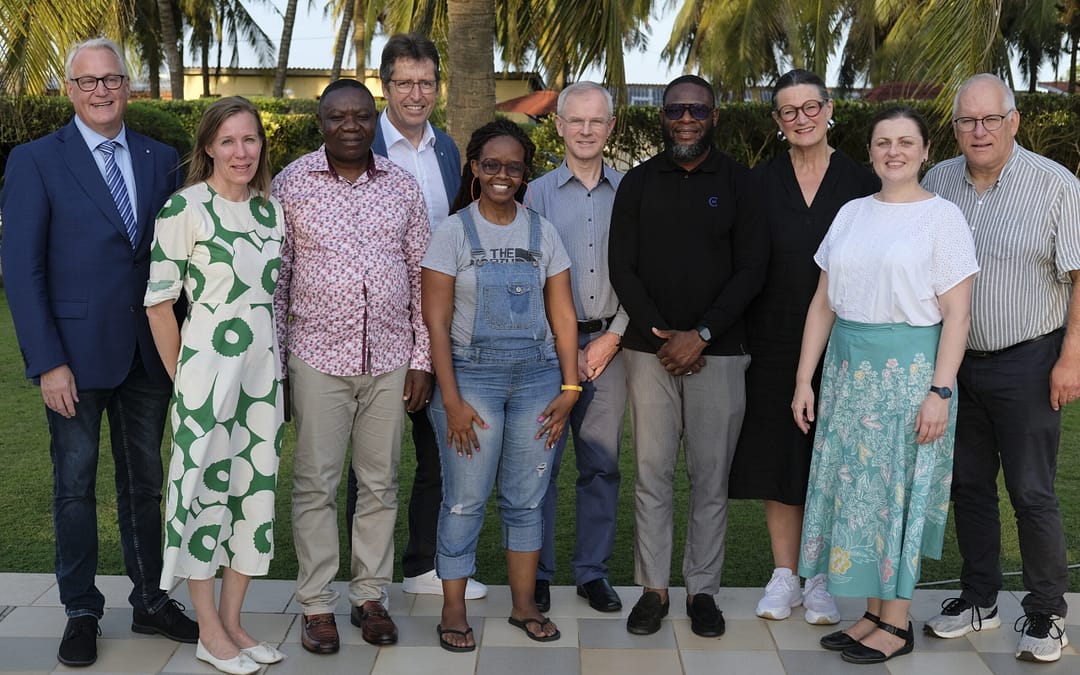
Vom 6. bis 10. Oktober 2025 war Lomé in Togo Treffpunkt für Mitglieder der Internationalen Blauen Kreuz (IBC) aus aller Welt. Die Global Assembly Week brachte Delegierte aus 31 Ländern zusammen, um eine Woche lang zu diskutieren, Entscheidungen zu treffen und zu lernen – alles mit dem Ziel, die Zukunft der Internationalen Blauen Kreuz zu gestalten. Komplexe Themen erfordern einen guten Austausch von Perspektiven aus verschiedenen lokalen Blickwinkeln, gestützt durch evidenzbasierte Forschung und bewährte Verfahren. Die Veranstaltung mit hohem Partizipationsgrad ermöglichte diese Diskussionen und vertiefte unser Bestreben, multilateral zusammenzuarbeiten.

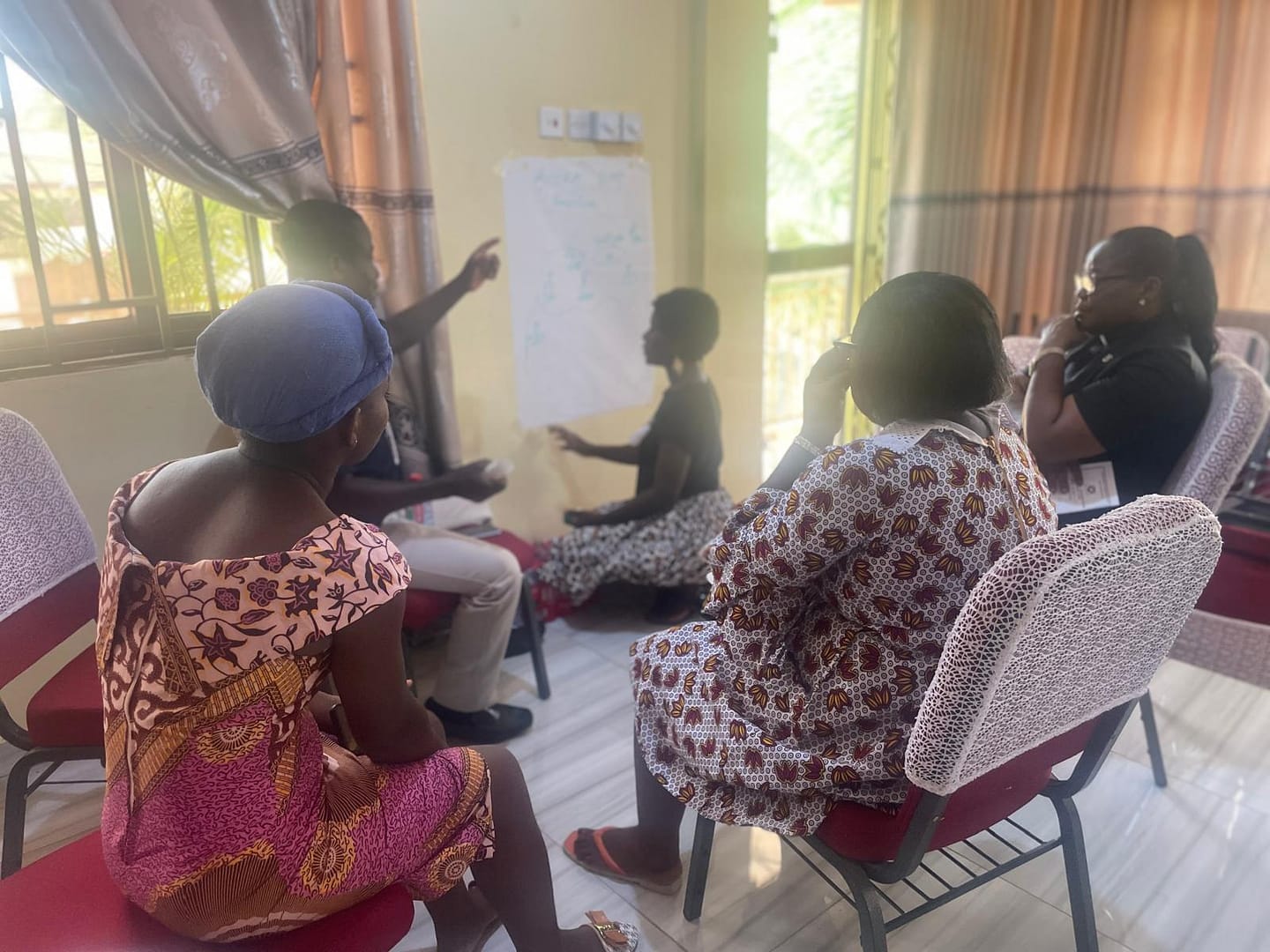
Während der gesamten Veranstaltung tauchten die Teilnehmer in eine Vielzahl von thematischen Sitzungen und Workshops ein, die die Komplexität der heutigen globalen Herausforderungen widerspiegelten. Die Identität von IBC liegt darin, christliche Werte in die Tat umzusetzen.. Marc Peterhans hat Beiträge geliefert wo die Delegierten erörterten, wie sich Glaube, Spiritualität und berufliche Praxis gegenseitig verstärken und einen Mehrwert für Dienstleistungen bieten können. Eine weitere wichtige Sitzung von Lars Thidemann Jensen befasste sich mit der Entwicklung von Führungsqualitäten und hob dabei hervor, dassGute Führung schafft Sinn, Wohlbefinden und Werte. Er untersuchte Führungs-Paradoxien und wie man mit diesen Spannungen umgehen kann. Vorträge und lokale Lösungen für die Umsetzung und Finanzierung lokaler Aktivitäten zeigten kreative Modelle aus dem gesamten Netzwerk und betonten, dass nachhaltige Wirkung nicht nur durch Finanzmittel, sondern auch durch Freiwillige, lokales Wissen und starke Partnerschaften in der Gemeinschaft erzielt wird.
Die Mitglieder des IBC sind sehr besorgt über die Entwicklungen in der Drogenpolitik weltweit. Kevin Sabet lieferte online einen Expertenbeitrag, und auf dem Workshop in Lomé führten die Delegierten einen offenen Dialog darüber, wie globale Trends mit lokalen Realitäten zusammenwirken, und tauschten Erfahrungen aus erster Hand aus ihrem jeweiligen Umfeld aus. Die Sitzung zum Thema Advocacy ermutigte die Teilnehmer, die Positionen des IBC genauer zu untersuchen und zu überlegen, wie eine prinzipientreue, evidenzbasierte Advocacy die nationale und regionale Politik beeinflussen kann.
Die Blue Cross-Organisationen konzentrieren sich darauf, einige der am stärksten benachteiligten Bevölkerungsgruppen in ihren Ländern zu erreichen. In einem praktischen Workshop wurden die Teilnehmer dazu ermutigt, sich weiterhin auf das Prinzip „Leave No One Behind“ (Niemanden zurücklassen) zu konzentrieren – ein wesentlicher Grundpfeiler für jede Organisation, die mit benachteiligten Gruppen arbeitet. Die Unterstützung inklusiver Dienste ist zwar möglicherweise zeitaufwändiger und erfordert mehr Aufwand und Engagement, aber IBC möchte sich der Herausforderung stellen, Inklusivität und partizipative Führungs- und Dienstleistungsstrukturen zu schaffen.
Über die Fachsitzungen hinaus erfüllte die Versammlung auch ihre Leitungsfunktion. Die Delegierten prüften und genehmigten die Berichte für den Zeitraum 2021–2024 und billigten den geprüften Jahresabschluss. Der vorgeschlagene Umsetzungsplan für 2025–2028 wurde als Fahrplan vorgestellt, der die zukünftige und strategische Ausrichtung des IBC-Netzwerks vorgeben soll.
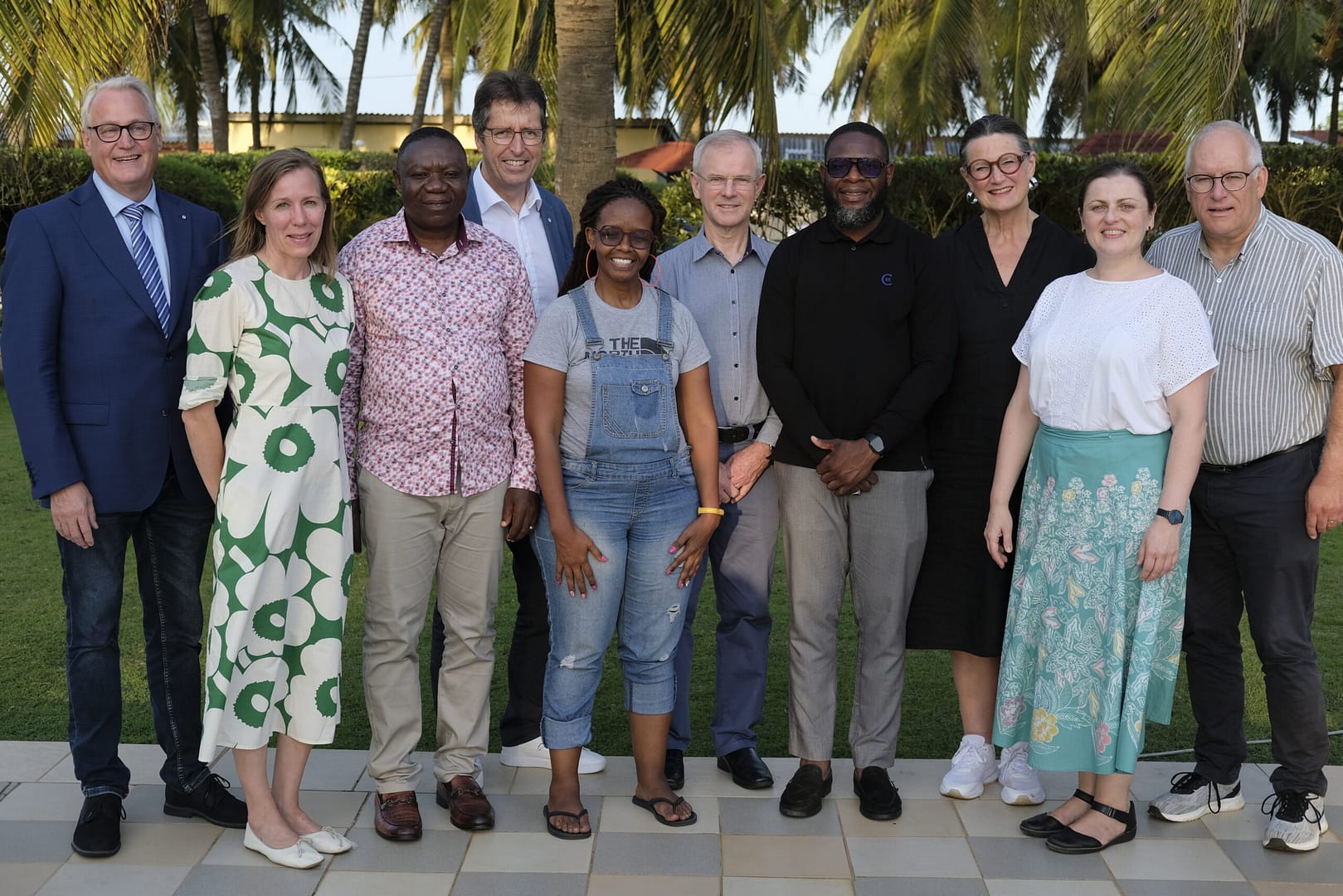
Einer der entscheidenden Momente der Woche war die Wahl des neuen Netzwerkkomitees – des Führungsgremiums, das in den kommenden Jahren für die Leitung des IBC verantwortlich sein wird. Reinhard Jahn aus Deutschland wurde zum Präsidenten gewählt, Hans Eglin aus der Schweiz zum Vizepräsidenten. Die neuen Mitglieder des Ausschusses sind Torbjoerg Aalborg (Norwegen), Patrick Adjei Acheampong (Ghana), Ewa Duda (Polen), Rolf Hartmann (Brasilien), Dan Kofoed Månsson (Dänemark), Grace Tshegofatso Thudi (Botswana) und Mawouena Komlan Bohm (Togo). Zusammen repräsentieren sie eine große Vielfalt an Fachwissen, Perspektiven und regionalen Erfahrungen – eine Stärke, die in den kommenden Jahren von entscheidender Bedeutung sein wird.
Die Versammlung nahm sich auch Zeit, um die Beiträge der scheidenden Mitglieder des Netzwerkkomitees zu würdigen: Holger Lux, Lars Thidemann Jensen, Ingalill Söderberg und Revocatus Nginila. Ihre Arbeit in den vergangenen Jahren spielte eine entscheidende Rolle bei der Stärkung der Struktur des IBC, der Vertiefung der internationalen Zusammenarbeit und der Ausweitung der globalen Präsenz der Organisation.
In vielerlei Hinsicht spiegelte die Generalversammlung in Lomé das Wesen der Blue Cross-Bewegung wider: Einheit über Kulturen hinweg, gemeinsame Werte und das Engagement für gesündere, widerstandsfähigere Gemeinschaften. Die Delegierten verließen die Veranstaltung mit neuer Energie – überzeugt davon, dass die Stärke von IBC in seinen Menschen und dem gemeinsamen Wunsch liegt, eine Zukunft zu gestalten, in der niemand zurückgelassen wird.

von Anna Schwaller | Juli 2, 2024 | Unkategorisiert
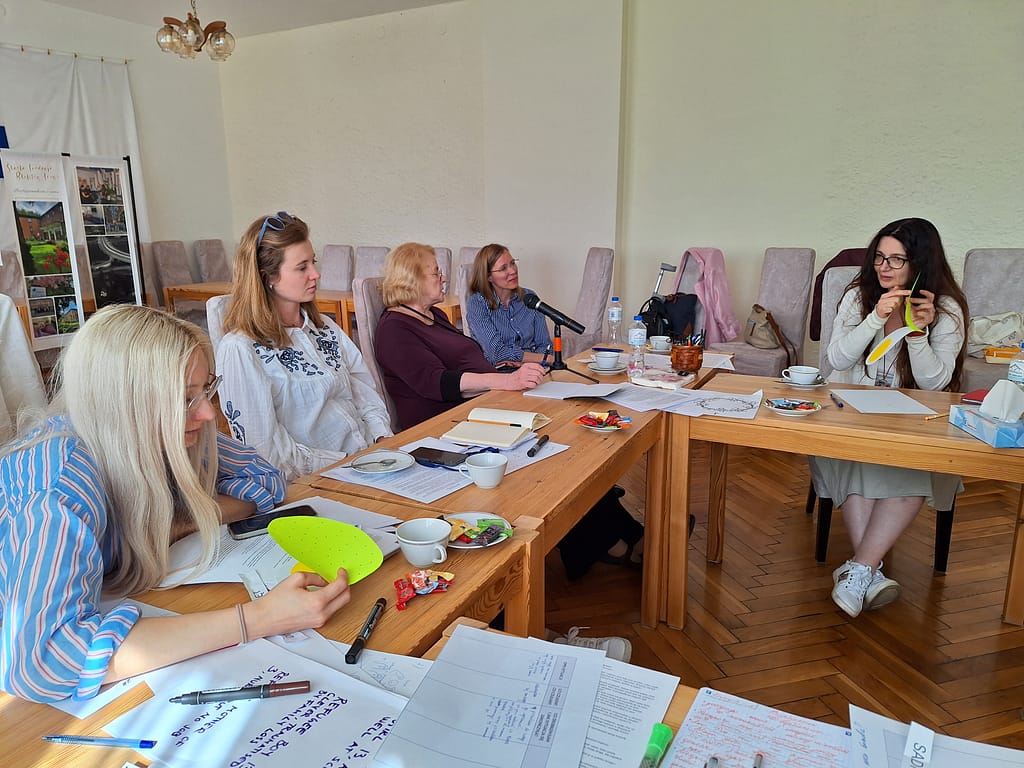
IBC General Secretary Anne Babb and IBC Programme Officer Mirjam Schmitz’s second field visit as part of the new IBC prevention through Life Skills education programme led them to Sibiu, where Blue Cross Romania has been active since 1990. Alongside the national Blue Cross organisation in Poland, BC Romania is IBC’s second partner in the prevention programme aimed at teenaged refugees from Ukraine and their local peers in Poland and Romania that started at the beginning of the year. Just as in Poland, focusing on prevention rather than treatment, the project adds a new element to the existing range of activities of the Romanian national Blue Cross society.
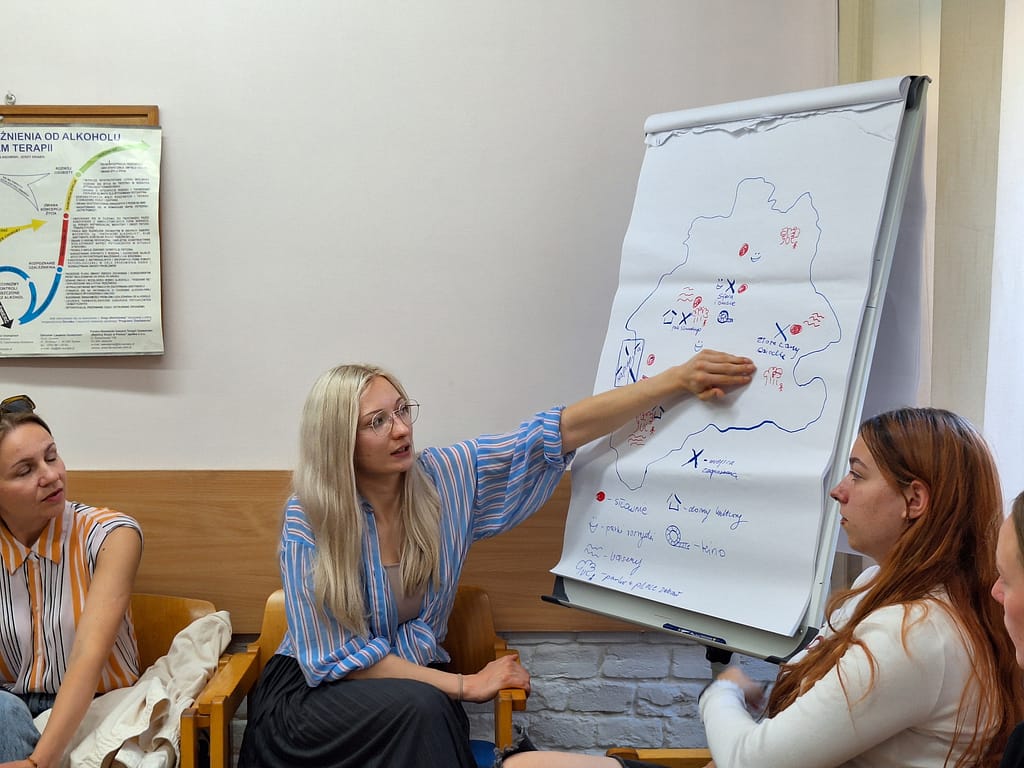
While in Sibiu, Anne and Mirjam gave a two-day practical training for the new Life Skills facilitators and introduced the project to the local education authorities. They also facilitated a stakeholder consultation, during which community members gathered to discuss problems specific to the local context and map risk factors and positive resources for young people.
A big thank you to BC Romania and the project team for having us! Now that the foundation for this new project has been laid, we look forward to a fruitful collaboration in the service of the Ukrainian and Romanian youth in Sibiu.
von Anna Schwaller | Juni 6, 2024 | Unkategorisiert
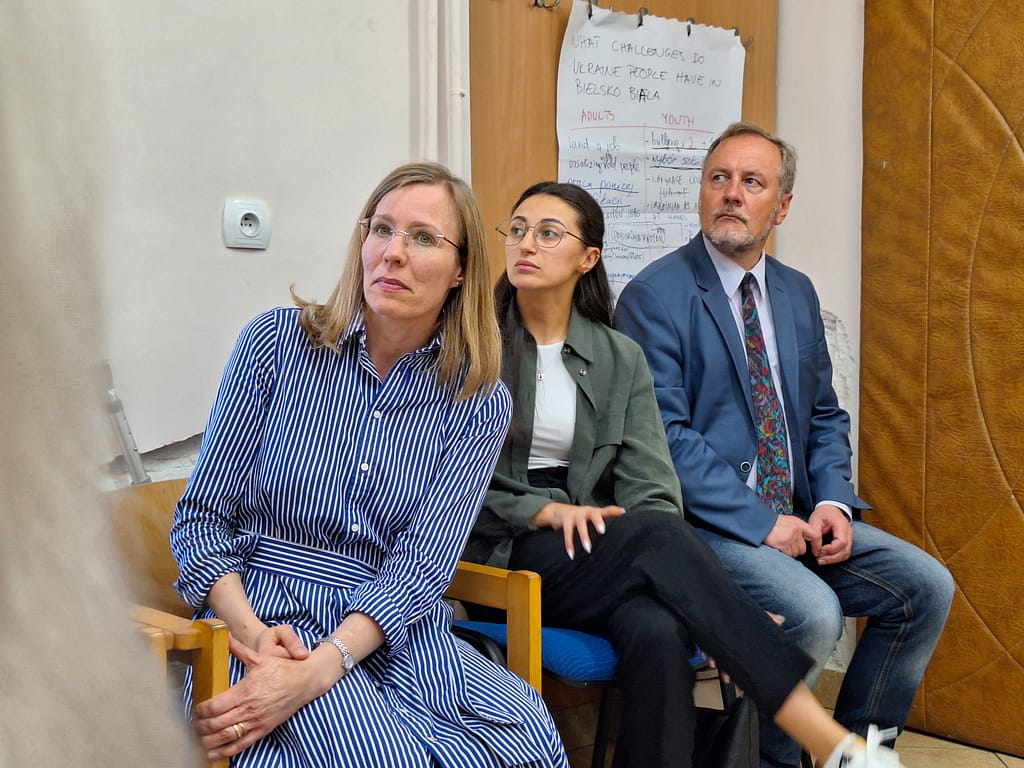
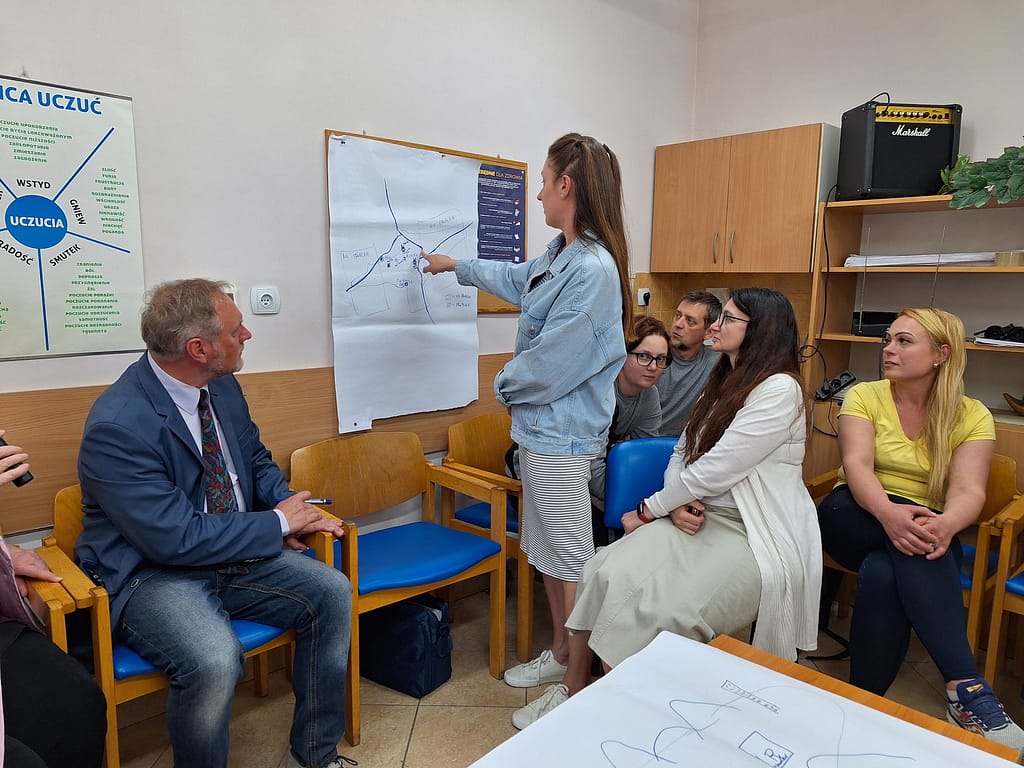
IBC General Secretary Anne Babb and IBC Programme Officer Mirjam Schmitz recently visited our member organization and project partner Blue Cross Poland in Bielsko-Biała and Pszczyna. Blue Cross Poland is our partner in a new prevention through Life Skills education programme aimed at teenaged refugees from Ukraine and their local peers in Poland and Romania.
During their visit, Anne gave an intensive practical training for the new Life Skills facilitators. She also met with the Head of Education and Sport of Bielsko-Biała municipality to present the project and learn about the local specifics. Another item on the programme of the visit was a stakeholder consultation, which took place in a very warm and inclusive atmosphere highlighting the strong social integration component of the project. It was attended by a diverse range of local stakeholders, including Polish and Ukrainian organisations, local politicians, parents and youth. During the meeting, the participants discussed local problems and their causes and effects on communities and individuals and mapped risk factors for vulnerable youth as well as positive resources available to them.
We would like to extend our heartfelt thanks to the whole Blue Cross Poland team and to Roman Wojnar in particular for the warm welcome in Bielsko-Biała and Pszczyna and the smooth collaboration in this important starting phase of the project!

von Anna Schwaller | Apr. 29, 2024 | Unkategorisiert
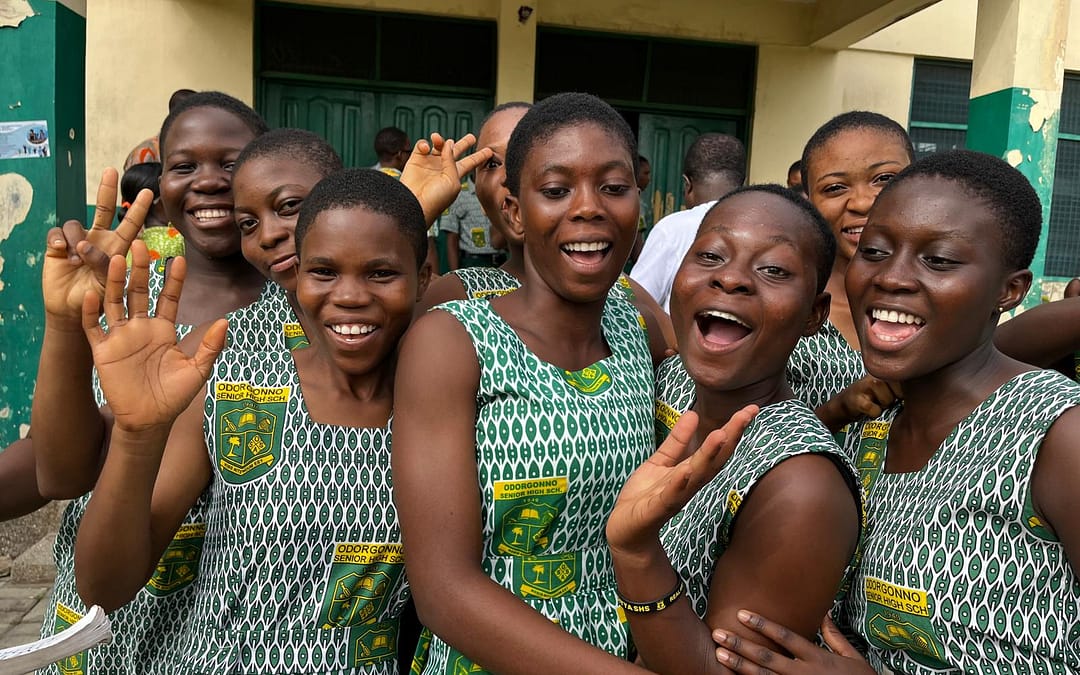
In 2023, IBC published a call for proposals among our member organizations for the comprehensive prevention projects. Blue Cross Ghana Relief responded and completed a full organisational assesment process encompassing an evaluation of the team’s knowledge base and capacities in governance, current activities, resources, and project management. The initial assessment was satisfactory and the network committee approved the continuation of the process with local workshops held by the general secretary. Below is a short summary of the week with the Blue Cross Ghana Team.
We have set the ground for a successful project start!
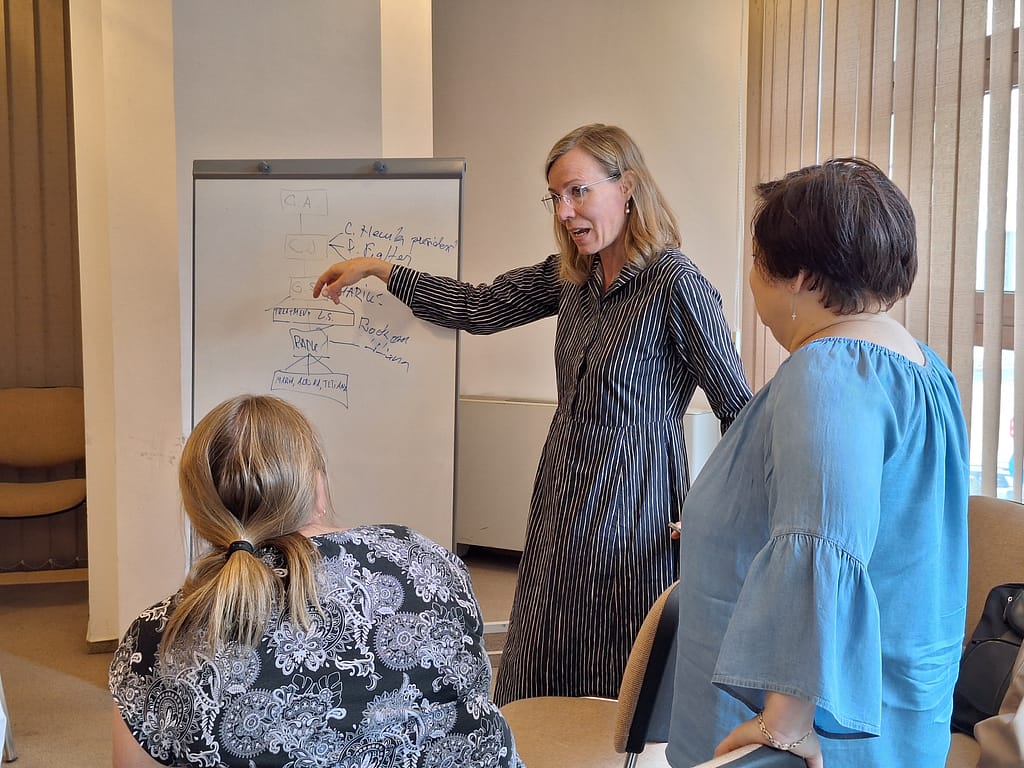
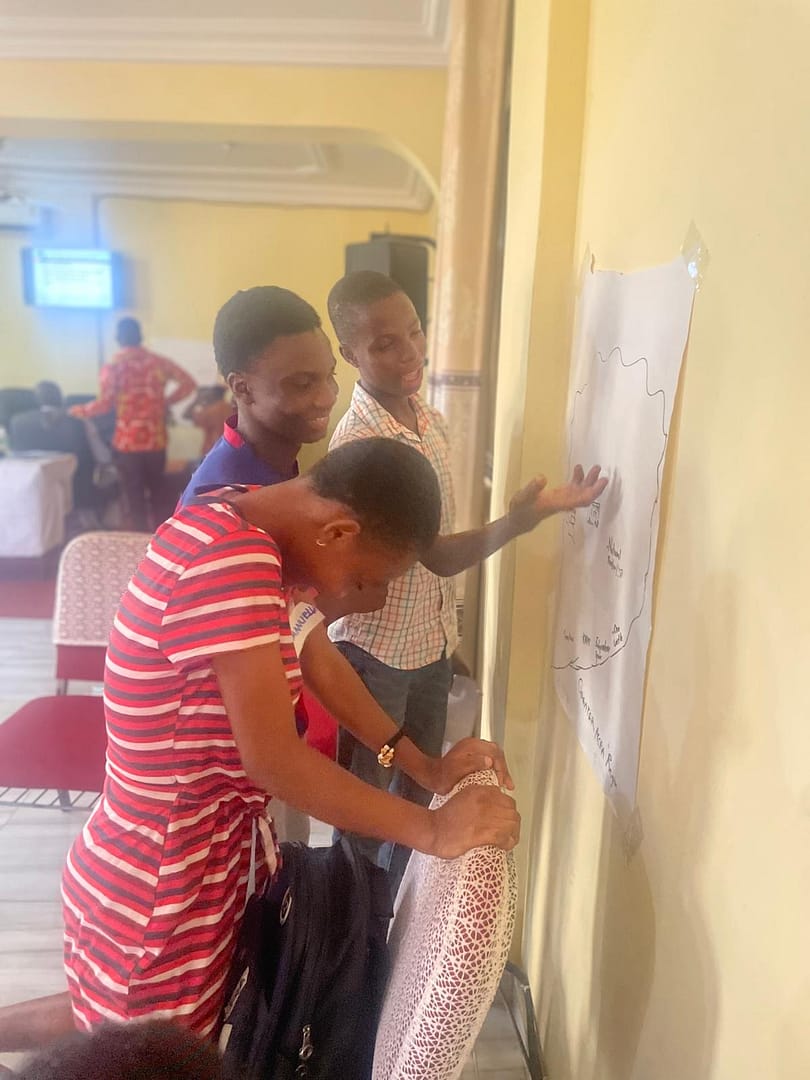
During this intensive week we worked well together and completed a tightly packed itinerary, despite the hot temperatures. We were able to address open questions concerning project implementation and the board, staff, and volunteers underwent training in quality governance and best practices while managing development co-operation projects. The Blue Cross Team completed a community mapping exercise, identifying the most vulnerable areas in the city and the positive resources available to young people. Additionally, a full stakeholder consultation took place with teachers, police, nurses, religious leaders, youth, mothers, fathers, businesss owners etc. This helps us understand the local problems, their causes, and their effects on communities and individuals. Afterwards, the Blue Cross Ghanateam summarized the findings of the consultation into a problem tree, which informs the projects Theory of Change.
We reviewed the theory and evidence for the effectiveness of supporting the development of life skills for prevention of future harm related to addiction and substance use. The staff team was very encouraged, recognizing: “We have been mistaken in merely providing information. We now realize that the focus on an evidence based approach is crucial for accomplishing the intended behaviour change and skill development in youth.“ To put the theory in perspective, we visited one of the prospective partner schools where the project will be implemented.
Additionally, BC Ghana is affiliated with the Presbyterian Church and their wonderful support and structures make it possible to reach people throughout the country in the long run. We visited the Moderator of the Presbyterian Church who confirmed their commitment for continued support of the Blue Cross. So far, the Church has focused on strong principles of abstinence. Nonetheless, during our conversation the church showed it understood the need to reach the people with alcohol and other drug problems with love rather than judgement. They are excited that BC offers these opportunities to prevent harm and help those who need support.
We also took the opportunity for some joint networking. The Blue Cross Ghana are already part of Ghana Alcohol policy network. This body works to highlight the necessity for national structures that ultimately protect youth. Additionally, we had the opportunity to visit the minister of education who warmly welcomed the life skills approach to the Ghanaian schools. We will prepare a Memorandum of Understanding to formalize the collaboration and continue the discussion. He had also visited Finland and observed the school system in place there. He has great commitment in furthering the development of schools in Ghana and showed us new buildings designed to enhance learning environments.
Finally, we visited a self help group whose participants were most thankful for the valuable support structure that helps them work towards a new beginning. “I want to thank you for training BC Ghana in the self-help approach, it has given me a new life. I invited my colleagues who are also struggeling with addiction and now we are sober and one of us is working as an electrician again”, one participant states. “Yes, when I was drunk, I had no work. Now people call me and I have work to do!”, shares another. BC Ghana started self help groups in 2020, and currently, they have an active group running that changes many peoples lives!
Thank you to the leadership team and their families for their wonderful preparations and unwavering commitment, which contributed to making this week a great success! Thank you to the amazing, skilled, and committed volunteers for attending every session! And this time, thank you to my beloved sister, who privately joined my trip as a volunteer and helped me so much during this week!


von Anna Schwaller | Feb. 29, 2024 | Unkategorisiert
IBC is looking for new volunteers to support our team. Are you motivated to gain work experience within an international NGO?
We are looking forward to receiving your electronic application at s.poenisch@internationalbluecross.org. You can find more info below:
IBC_translators advert_2024
von Anna Schwaller | Dez. 5, 2023 | Unkategorisiert
IBC Secretary General, Anne Babb and IBC Programme Officer, Flavia Ganarin, recently visited our project partner Génération 5S (CTPAD) in Congo Brazzaville. Together, IBC and CTPAD have been implementing a comprehensive substance use prevention project for the last 10 years and have committed to collaborating for the next years as well. Anne and Flavia visited multiple schools in vulnerable neighbourhoods in Brazzaville, where Génération 5S staff is facilitating Life Skills Sessions for youth at risk of addiction. The numerous testimonies of positive change by students, peer educators, parents, teachers and school principals have been very empowering, showcasing the strong positive impact the project has on the lives of thousands of youth who have in the past been exposed to addiction, violence or other forms of discrimination (see below). Anne and Flavia also met with the Congolese Minister of Health, Mr. Gilbert Mokoki, to talk about prevention through alcohol policy. Topics of common interest were the dissociation of alcohol sponsorship during sports events in Congo and the ban of alcohol marketing. During a subsequent visit to the WHO Afro and Congo offices, it was decided to create a joint working group, including the Congolese government (different concerned ministries), WHO and civil society (amongst others CTPAD and Blue Cross Congo), to bring the alcohol policy agenda forward. On the whole, the appreciated work with the local team was very enriching. In addition, the multiple testimonials illustrate the powerful impact of our projects:
„I used to have a hard time dealing with my own emotions and when I was angry I became violent. I would often start fights at school and was at risk of being expelled. It was difficult for me and my whole family. The life skills club really helped my self-esteem and I learned how to share my feelings and my problems with others.“
„I had to repeat my final exams three times. With each failure I felt more and more pressure from myself, my family, and my community. Everyone thought I was not intelligent enough to finish school and go to university, except my peer educator at the life skills club. She told me that it was all up to me and that if I truly tried I would be capable of reaching my goals. She helped me find confidence in my skills and take charge of my life. With each success I learned to believe in myself again. Today, I am at university and in my free time I will also become a peer educator to motivate other girls not to abandon their studies.“
„I was trained as a peer educator by the project Génération 5S. One day I went to a private school in my neighbourhood to facilitate a Life Skills session on alcohol and other drug use. The headmaster was so impressed with both the message and my skills that he created the new position of a life skills teacher and offered it to me.“